
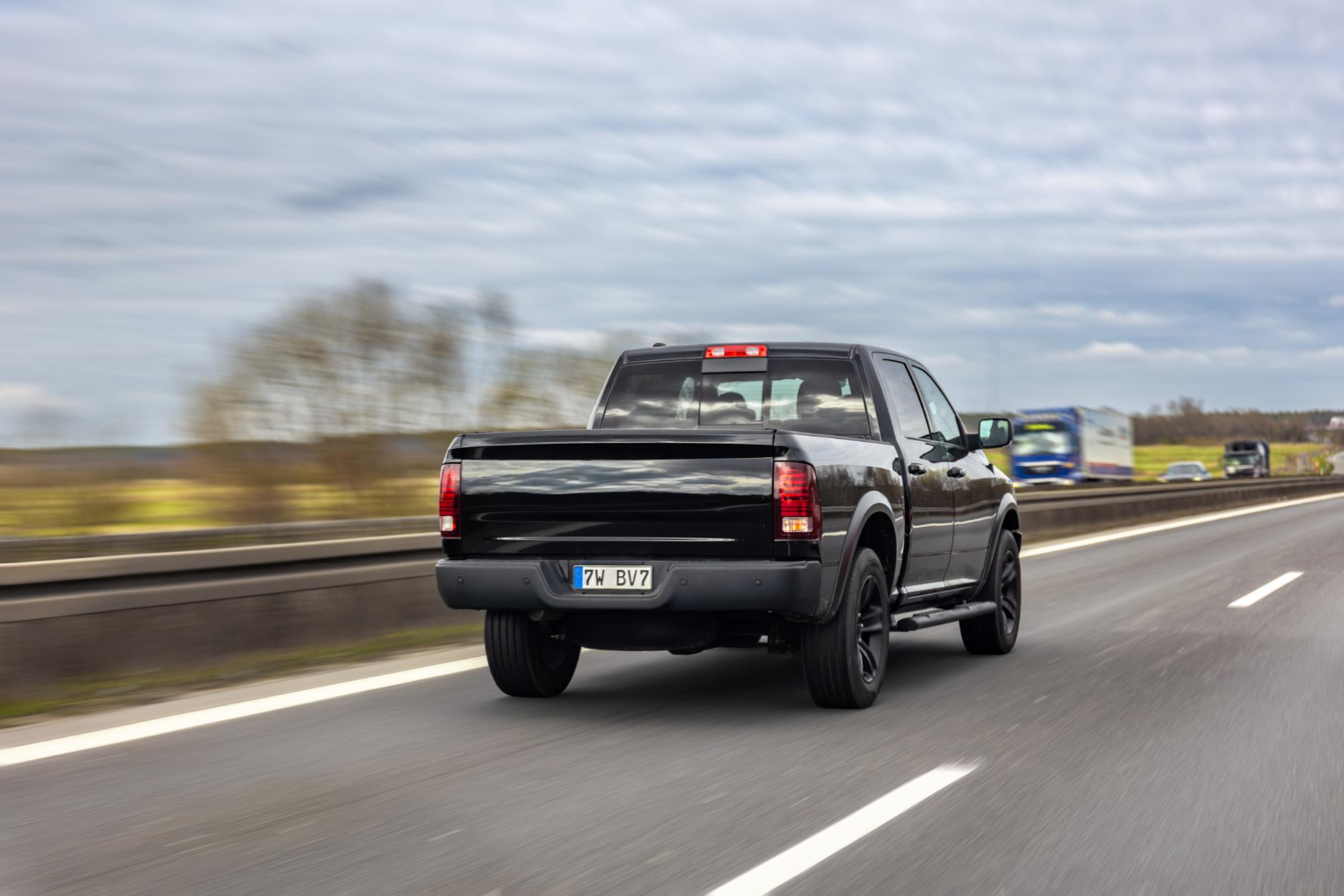
Not All F-150 EcoBoosts Are Built the Same
The EcoBoost V6 has been under the hood of more F-150s than almost any other engine Ford has built, and it earned that spot honestly. It tows hard, holds up on job sites, and plenty of owners rack up well past 150,000 miles without much drama.
But ask around a service counter long enough and you’ll hear the other side of that story too. Most of the complaints trace back to one thing: which generation of the engine you’re dealing with.
As of 2026, the F-150’s EcoBoost lineup breaks down into two distinct 3.5L generations with different problem lists, plus a 2.7L option that mostly stays out of trouble. Here’s the short version.
The first-gen 3.5L, built from 2011 to 2016, is known for cam phaser and timing chain rattle on cold start. That repair runs $2,500 to $4,500 once it’s bad enough to need parts.
Intercooler condensation causing misfires in cold, humid weather shows up mostly on those early trucks. Carbon buildup on the intake valves, a side effect of direct injection, shows up on that generation too and runs $400 to $800 to clean with a walnut blast.
Which of these you should actually worry about depends on the year and mileage on the truck in front of you. The breakdown below goes engine by engine.
The First-Gen 3.5L (2011-2016)
This is the engine that built the EcoBoost’s reputation, good and bad.
The most talked-about issue is cam phaser and timing chain rattle on cold start. You’ll hear it as a rattling or ticking noise right when the engine fires up, usually gone within a few seconds once oil pressure builds. Early on it’s just noise.
Left alone for too long, worn phasers let the timing chain stretch and skip, and that can turn into real engine damage. A full phaser and chain job runs $2,500 to $4,500 depending on labor rates and whether the timing cover needs attention too.
Catching it early with a phaser replacement alone costs less than waiting until the chain and guides are shot.
Intercooler condensation is the second known issue on early 3.5L trucks. In cold, humid weather, moisture collects in the intercooler and gets pulled into the engine in a slug, causing a rough idle or a hard stumble under boost.
Ford issued fixes partway through the run, including a revised intercooler design and drain modifications. This one shows up less on later first-gen trucks than on the earliest ones.
Carbon buildup rounds out the list. Direct injection sprays fuel straight into the cylinder instead of across the intake valves, so there’s no fuel washing carbon deposits off the back of those valves the way older port-injected engines got for free.
Over enough miles, buildup can cause rough idle, hesitation, and a drop in fuel economy.
A walnut blast cleaning, where a technician runs crushed walnut shells through the intake to physically scrub the valves, runs $400 to $800. It’s usually needed somewhere in the 60,000 to 100,000 mile range depending on driving habits.
Spark Plug Intervals Matter More Than You’d Think
The first-gen 3.5L runs on a long spark plug interval, and Ford’s owner’s manual number is longer than a lot of owners expect for a turbocharged engine. That’s fine as a schedule, but it only works if the interval actually gets followed.
Plugs left in past their service life are more prone to seizing in the head. Pulling a seized plug on a turbo V6 with limited access is a bigger job than a standard tune-up.
It’s the same underlying lesson as Ford’s 5.4L Triton V8, a completely different engine, but one where ignoring the plug interval turns a $300 job into a $1,000-plus extraction. On the EcoBoost, staying on schedule with a qualified shop is the cheap insurance.
The Second-Gen 3.5L (2017 and Up)
Ford made real changes here, and it shows. The second-gen 3.5L added dual injection, meaning it sprays fuel both directly into the cylinder and through the intake port, the way older engines did.
That port injection washes the valves during normal operation, which knocks carbon buildup down to a much smaller problem than it was on the first-gen engine. Cam phaser issues are far less common too, and the intercooler condensation problem was largely engineered out.
None of this means the second-gen 3.5L is bulletproof. Turbo and intercooler components still wear like they do on any turbocharged engine, and normal maintenance items still need attention on schedule. But the documented, recurring problem list is shorter, and the fixes tend to be less expensive when something does come up.
The 2.7L EcoBoost
The smaller 2.7L doesn’t get talked about nearly as much, mostly because it doesn’t give owners as much to complain about. It shares some DNA with the 3.5L but uses dual injection from the start, which keeps carbon buildup in check the same way it does on the second-gen 3.5L.
Reported issues are fewer and less severe across the board. Timing chain and cam phaser complaints on the 2.7L are rare compared to the first-gen 3.5L, and most of what shows up in a shop is normal wear, not a known design flaw.
If towing capacity isn’t the deciding factor, the 2.7L is generally the lower-drama choice between the two engine families. It’s a solid pick for anyone who wants EcoBoost fuel economy without inheriting the first-gen’s reputation.
Which Years Are the Safer Buy
If you’re shopping used, the second-gen 3.5L (2017 and up) and the 2.7L are the safer bets on paper. Fewer documented issues, less expensive maintenance history, and a track record that’s held up better over time.
That doesn’t mean skip every first-gen truck. Plenty of 2011-2016 F-150s are running fine because a previous owner kept up with oil changes and didn’t ignore a cold-start rattle for two years.
What matters more than the model year alone is whether the truck has service records showing regular oil changes with the right weight and interval. Oil quality plays a direct role in how long cam phasers last.
Ask specifically about spark plug service too. That’s an easy thing for a previous owner to have put off without it showing on the surface.
A truck with no maintenance history and a rattle on startup is a truck to walk away from or negotiate hard on. A truck with full records and no noise complaints, even a first-gen one, can be a solid buy at the right price.
None of this is a reason to write off the EcoBoost as a whole. It’s a strong engine that moved a lot of trucks for a reason, and the second-gen 3.5L in particular fixed most of what made the first version a headache.
The engine family tells you what to check. The paperwork and a cold start test tell you what you’re actually getting.
FAQ
Is the Ford EcoBoost V6 reliable as of 2026?
Overall, yes, especially the second-gen 3.5L (2017 and up) and the 2.7L. The first-gen 3.5L (2011-2016) has known issues like cam phaser rattle and carbon buildup, but a well-maintained example can still hold up fine.
What does cam phaser rattle sound like?
A ticking or rattling noise right when the engine starts cold, usually fading within a few seconds as oil pressure builds. It’s worth having checked before it turns into timing chain wear.
How much does it cost to fix cam phaser or timing chain problems?
A full phaser and timing chain repair typically runs $2,500 to $4,500, depending on how much related hardware needs replacing and local labor rates.
Do all F-150 EcoBoost engines get carbon buildup?
It’s more common on the first-gen 3.5L (2011-2016) since it uses direct injection only. The second-gen 3.5L and the 2.7L use dual injection, which cuts down on buildup significantly. A walnut blast cleaning runs $400 to $800 when it’s needed.
Which F-150 EcoBoost years should I be cautious about buying used?
The 2011-2016 3.5L carries the most known issues. That doesn’t rule out a good truck from those years, but check for full maintenance records and listen for cold-start rattle before buying.
What should I check before buying a used F-150 with an EcoBoost engine?
Start the engine cold and listen for rattle on startup, ask for maintenance records showing regular oil changes, and confirm the spark plugs have been serviced on schedule. On a first-gen 3.5L, those three checks tell you more than the model year alone.